
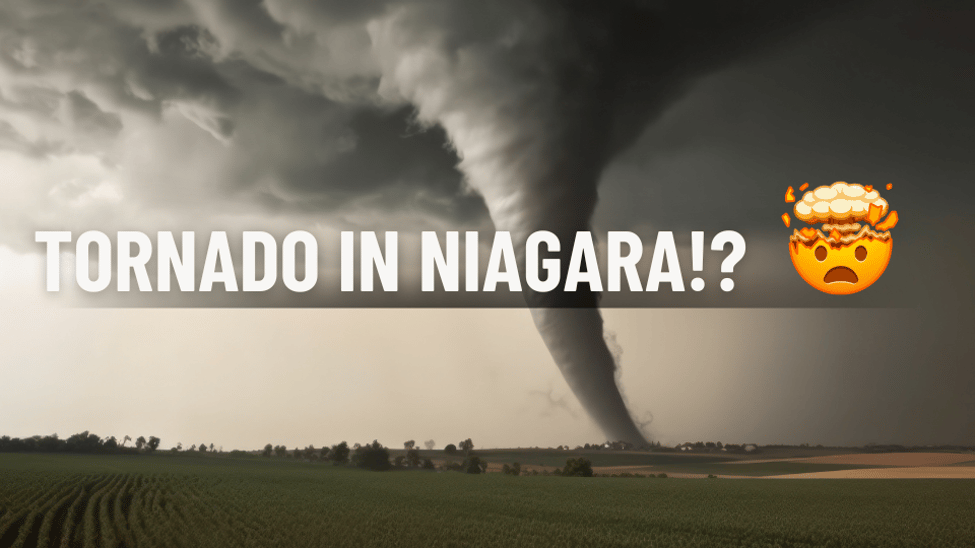
The recent tornado that swept through the Niagara region yesterday took many of us by surprise. While tornados are not common in our area, this unexpected event serves as a crucial reminder: it’s better to be safe than sorry. Here’s how you can prepare for such weather events in the future, ensuring the safety and well-being of you and your loved ones.
1. Stay Informed
- Weather Alerts: Sign up for local weather alerts and notifications through Niagara Region Alerts. You can also use apps like WeatherCAN or The Weather Network for real-time updates.
- Emergency Broadcasts: Tune into local radio stations like 610 CKTB and television stations for the latest news and updates during severe weather conditions.
2. Create an Emergency Plan
- Family Communication: Develop a communication plan with your family. Ensure everyone knows how to contact each other and where to meet if separated.
- Designate Safe Areas: Identify safe areas in your home where you can take shelter during a tornado, such as a basement or an interior room on the lowest floor without windows.
3. Prepare an Emergency Kit
- Essentials: Assemble a kit with essential items such as water, non-perishable food, a first-aid kit, flashlights, batteries, and necessary medications.
- Important Documents: Keep copies of important documents (ID, insurance policies, bank records) in a waterproof container.
- More information can be found here: Canadian Red Cross Emergency Preparedness and Recovery
4. Secure Your Property
- Trim Trees: Regularly trim trees and branches to prevent them from causing damage during high winds.
- Secure Outdoor Items: Bring in or secure outdoor furniture, decorations, and anything else that could become a projectile during a tornado.
- Reinforce Windows and Doors: Consider installing storm shutters and reinforcing garage doors to withstand strong winds.
5. Know Your Community Resources
- Local Shelters: Identify local shelters and emergency services in your area. The Niagara Region Emergency Management website provides information on local emergency shelters.
- Community Plans: Get involved in your community’s emergency planning and stay informed about local disaster response strategies.
6. Practice Drills
- Regular Drills: Conduct regular tornado drills with your family so that everyone knows what to do and where to go in case of an emergency.
7. Insurance Review
- Coverage Check: Review your home insurance policy to ensure it covers tornado and wind damage. Consider additional coverage if necessary.
While we hope that tornados remain a rarity in the Niagara region, being prepared is the best defense against any unexpected weather event. By taking these steps, you can protect your home, your loved ones, and yourself.